PVC Foam Board Sheet Home

Category

Application Guides

12 articles

Building Code Amendments Are Rewriting the Rules for Foam Board: Is Your Specification Ready?

Building Code Amendments Are Rewriting the Rules for Foam Board: Is Your Specification Ready?

The IRC, IBC, and a growing number of state and regional energy codes are tightening requirements for foam board materials in commercial and industrial applications—raising the bar on fire ratings, thermal performance, and moisture management. For industrial buyers working from specifications written even a few years ago, these changes may already represent a compliance gap. This guide examines the most consequential pending and recent code changes and offers a practical framework for future-pro

When More Power Is the Wrong Answer: Rethinking Cutting Equipment for PVC Foam Board

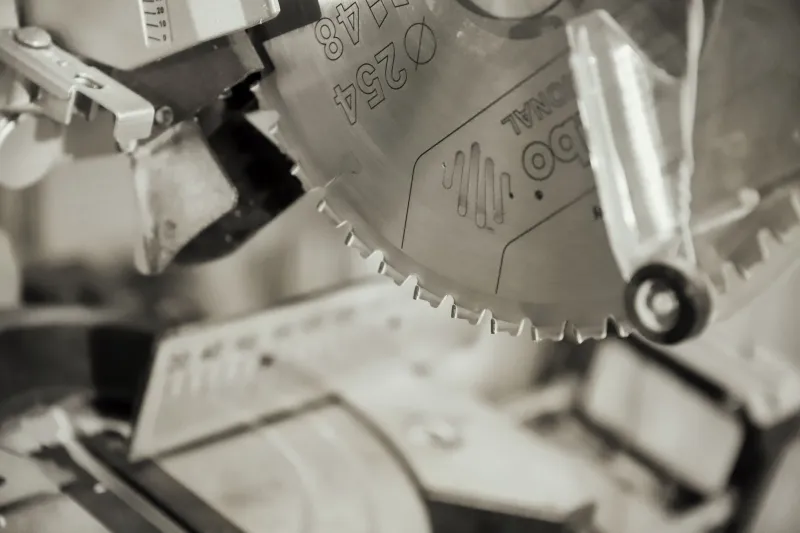
When More Power Is the Wrong Answer: Rethinking Cutting Equipment for PVC Foam Board

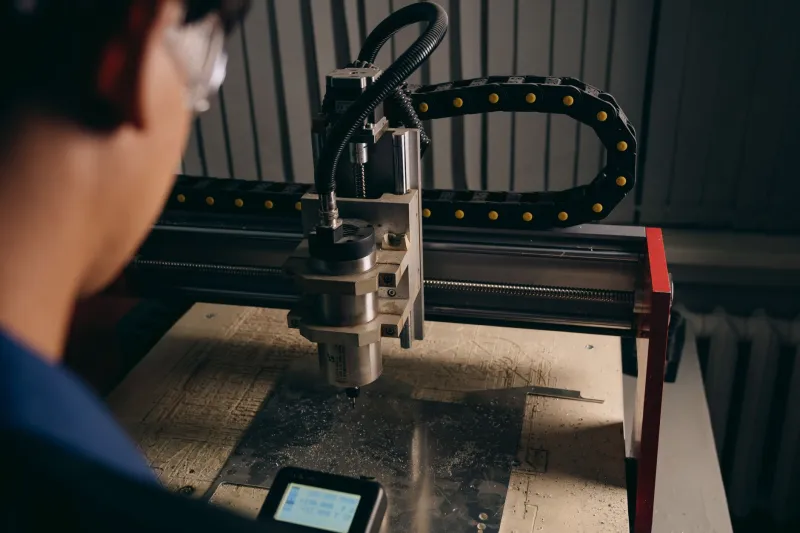
Industrial facilities frequently discover that high-horsepower cutting equipment engineered for dense substrates produces inferior results on PVC foam board. Understanding the cellular physics behind this counterintuitive reality allows procurement teams and floor supervisors to make smarter equipment investments—and recover throughput they didn't realize they were losing.

Old Buildings, New Standards: Why PVC Foam Board Is the Retrofit Material Pre-1990s Industrial Facilities Have Been Waiting For

Old Buildings, New Standards: Why PVC Foam Board Is the Retrofit Material Pre-1990s Industrial Facilities Have Been Waiting For

Tens of thousands of industrial facilities constructed before 1990 continue to operate with insulation systems that were never engineered for today's energy codes, operational demands, or moisture management expectations. PVC foam board has emerged as the leading retrofit solution for these aging envelopes, offering performance gains without the structural disruption that full teardowns require. This guide examines how facilities professionals are approaching these projects, what the numbers act

Upgrading Without Stopping: How Industrial Facilities Are Switching to PVC Foam Board Insulation While Staying Fully Operational

Upgrading Without Stopping: How Industrial Facilities Are Switching to PVC Foam Board Insulation While Staying Fully Operational

Replacing aging insulation in active industrial facilities has historically meant costly shutdowns and operational disruptions. PVC foam board is changing that equation, enabling facility managers to execute phased thermal upgrades across HVAC systems, cold storage, and process environments without halting production. This guide examines proven retrofit strategies, realistic timelines, and the return on investment that is driving widespread adoption across US manufacturing and commercial sectors

Where Materials Meet: Engineering Gaskets, Sealants, and Joints at PVC Foam Board Transitions

Where Materials Meet: Engineering Gaskets, Sealants, and Joints at PVC Foam Board Transitions

Material transitions between PVC foam board and substrates such as steel, aluminum, and masonry represent some of the most failure-prone details in commercial and industrial construction. This guide examines the mechanical and chemical forces at work in these joints, compares leading sealant chemistries, and provides a structured framework for specifying gasket systems that perform across the full range of environmental and movement conditions encountered in US facilities.

Fastener Compatibility in Focus: Engineering Against Galvanic Degradation When Assembling PVC Foam Board Systems

Fastener Compatibility in Focus: Engineering Against Galvanic Degradation When Assembling PVC Foam Board Systems

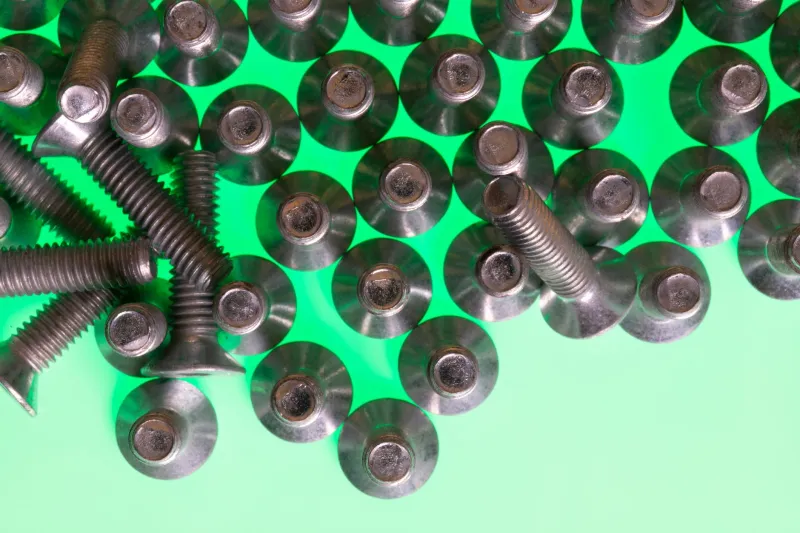
Selecting the wrong metal hardware for PVC foam board assemblies can trigger electrochemical reactions that silently compromise structural integrity over time. This guide examines the science behind galvanic corrosion, identifies which fastener materials pose the greatest risk, and delivers actionable specification strategies for industrial professionals working in demanding environments.

On the Job With PVC Foam Board: A Field Guide to Cutting, Bonding, and Chemical Compatibility

On the Job With PVC Foam Board: A Field Guide to Cutting, Bonding, and Chemical Compatibility

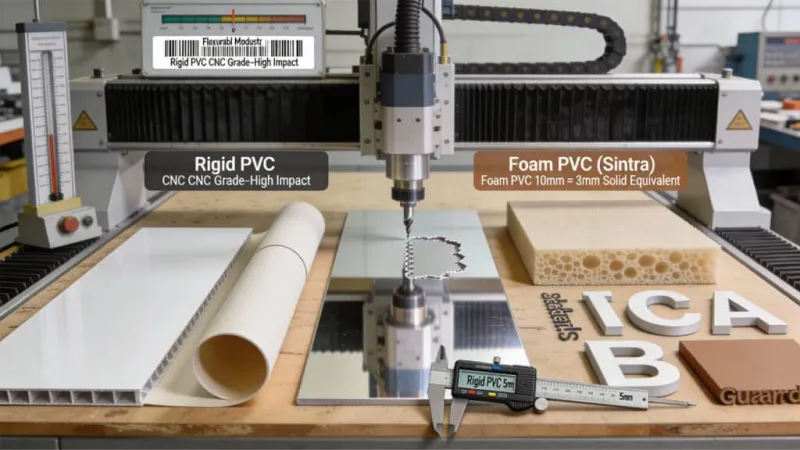
PVC foam board's performance advantages on paper mean little if fabricators don't know how to work with it effectively in the field. This hands-on guide covers the tools, adhesives, and techniques that experienced tradespeople rely on—along with the common mistakes that cause failures in complex industrial builds. Whether you're routing intricate profiles or bonding panels in chemically aggressive environments, the details covered here will save time and prevent costly rework.

Built to Absorb: The Case for PVC Foam Board in High-Vibration and High-Impact Industrial Environments

Built to Absorb: The Case for PVC Foam Board in High-Vibration and High-Impact Industrial Environments

Manufacturing floors, logistics terminals, and heavy-equipment facilities impose mechanical stresses that expose the structural weaknesses in conventional panel materials. This technical guide examines how PVC foam board maintains dimensional integrity under vibration, thermal cycling, and impact loading—and why industrial professionals are specifying it to reduce downtime and replacement costs in demanding applications.

Specification as Strategy: How Industrial Professionals Gain a Competitive Edge Through Custom-Configured PVC Foam Board

Specification as Strategy: How Industrial Professionals Gain a Competitive Edge Through Custom-Configured PVC Foam Board

Off-the-shelf materials solve standard problems. But in competitive bidding environments, the professionals who win complex projects—and execute them profitably—are increasingly those who treat material specification as a strategic discipline rather than a commodity decision. This guide examines how construction and manufacturing professionals are leveraging the configurability of PVC foam board to meet exacting project requirements and differentiate their proposals.

Precision in Practice: Advanced Fabrication Techniques That Make PVC Foam Board the Contractor's Material of Choice

Precision in Practice: Advanced Fabrication Techniques That Make PVC Foam Board the Contractor's Material of Choice

PVC foam board's fabrication versatility is one of its most commercially significant—and least discussed—advantages. From precision CNC routing to curved laminate assemblies and site-cut equipment housings, experienced contractors across the US are leveraging the material's workability to win competitive bids and deliver complex installations that rigid alternatives simply cannot match.

Beyond the Sticker Price: A Total Cost of Ownership Case for PVC Foam Board in Commercial and Industrial Projects

Beyond the Sticker Price: A Total Cost of Ownership Case for PVC Foam Board in Commercial and Industrial Projects

PVC foam board's per-sheet price often prompts budget-conscious project managers to reach for cheaper alternatives without running the full numbers. When durability, maintenance cycles, labor efficiency, and service life are factored into the equation, PVC foam board frequently proves to be the more economical choice within a three-to-five-year window—and in many cases, significantly sooner.

Cold Storage, Clean Rooms, and Compliance: How PVC Foam Board Is Redefining Food Facility Infrastructure

Cold Storage, Clean Rooms, and Compliance: How PVC Foam Board Is Redefining Food Facility Infrastructure

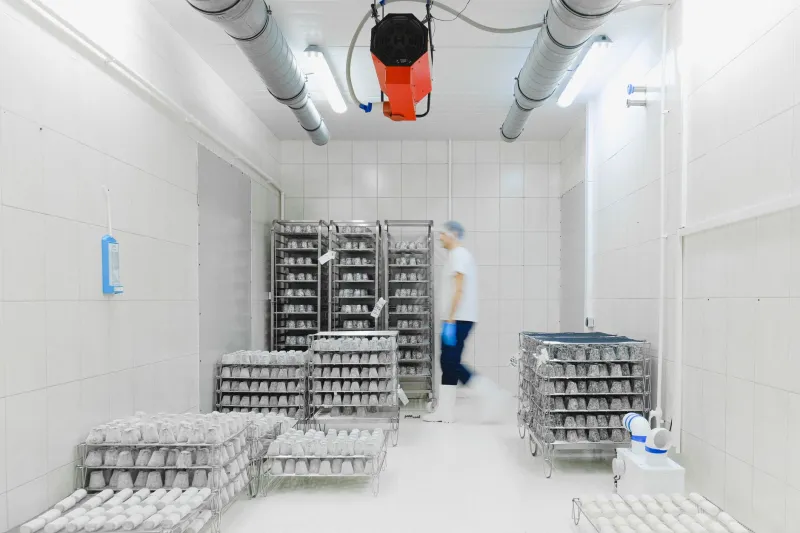
Temperature-controlled food processing and cold storage facilities operate under some of the most demanding material performance requirements in American industry. PVC foam board is emerging as a preferred structural and finishing material in these environments, offering a combination of moisture resistance, thermal stability, hygienic surface characteristics, and regulatory compatibility that traditional materials struggle to match.